
What is Included in a Residential Solar Package? Learn Here!

Summary: Several things are included in a residential solar package. You may find solar panels and mounting equipment. The package can also include a solar inverter and electrical components.
Hey! Are you thinking about switching your home to solar power? You may have already compared system sizes and panel types. However, there is another important question to ask: What exactly comes in a residential solar package?

A solar package is more than a collection of panels placed on your roof. A complete system generally involves several components and services that work together to generate, convert, and manage electricity for your home. The exact package can vary depending on your property, energy consumption, roof space, and whether you choose battery storage. So, before you make a decision, understand what you are actually getting.
Things That Are Included in a Residential Solar Package
Solar Panels
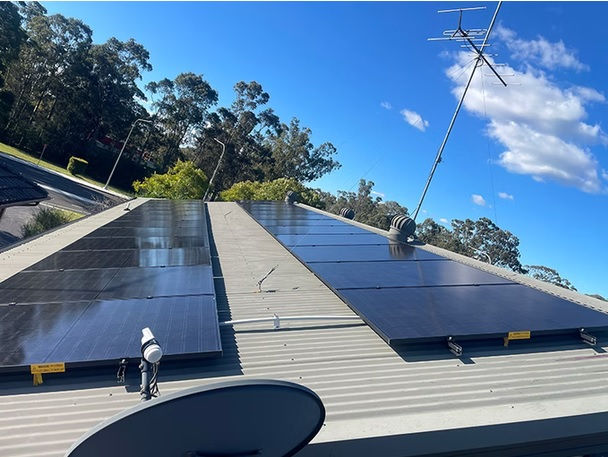
The most visible part of a residential solar system is, of course, the solar panels. These panels capture sunlight and convert it into electrical energy that can be used by your home. Different panels use different technologies and have various efficiency levels, warranties, power outputs, and physical designs. The right option is not necessarily the panel with the highest advertised efficiency. Your available roof space, energy requirements, budget, and local conditions can all influence the choice. Think about how much electricity your household actually uses and how much roof space is available. These factors help determine how many panels may be appropriate for your home.
Solar Inverter
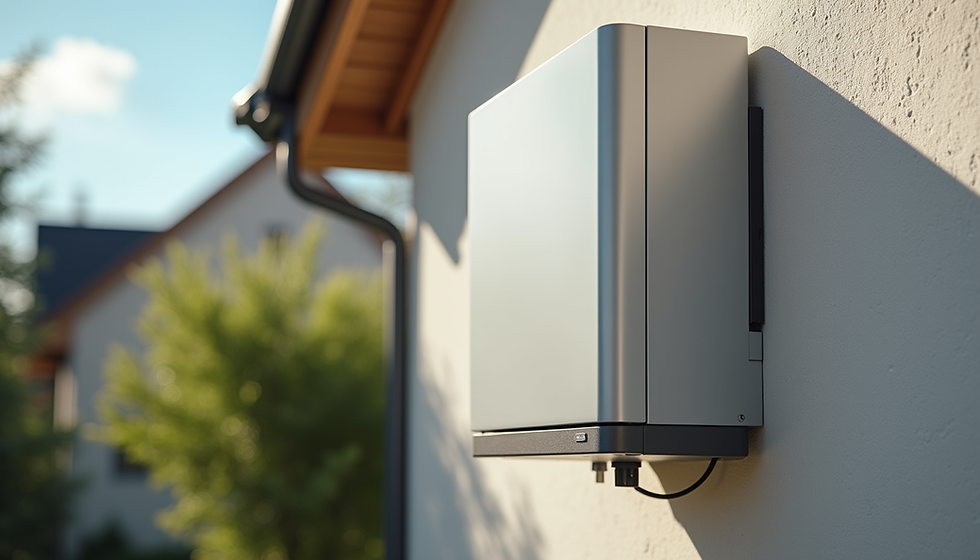
Solar panels produce electricity in a form that needs to be converted before it can be used by most household appliances. That is where the solar inverter comes in. The inverter converts the electricity generated by the panels into usable household electricity. It is therefore an essential part of the system, even though it may receive far less attention than the panels themselves. When comparing solar packages, don’t focus only on the panel specifications. The inverter is also an important part of the system’s overall performance.
Mounting Equipment
How do solar panels stay secure on your roof? They rely on a mounting system designed to hold the panels in the correct position. Mounting equipment can include rails, brackets, clamps, and other components required to attach the panels safely to the roof structure. The mounting system needs to suit the type of roof being used. Roof material, angle, layout, and structural considerations can all affect installation. This is one of those parts of a solar system that you may not notice once installation is complete, but it plays an important role in keeping the panels secure and correctly positioned.
Electrical Components and Cabling
A solar system needs more than panels and an inverter. Cables, switches, protection equipment, connections, and other electrical components are required to connect the different parts of the system safely. These components allow electricity to move between the panels, the inverter, the home, and potentially the wider electrical network. As these elements are less visible, homeowners may overlook them when comparing packages. However, they form an important part of the complete installation and need to be suitable for the system being installed.
Professional Installation
Buying the equipment is only part of getting a residential solar system. Installation is another major component of a complete solar package. Installation generally involves assessing the property, positioning the panels, securing the mounting equipment, connecting the electrical components, installing the inverter, and completing the necessary system checks. The installation process can vary depending on the size and complexity of the system and the characteristics of the property. This is why two homes with similar electricity usage may not necessarily require identical installation work.
System Size and Design
A solar package should be based on the home’s specific energy requirements rather than simply choosing the biggest system available. Solar systems can come in different capacities. The appropriate size depends on factors such as household electricity consumption, available roof space, roof orientation, shading, and the amount of solar energy the home can realistically use. For example, residential packages may be offered in different system sizes, with larger systems generally providing greater generation potential.
Choose a solar system around your property and its energy needs rather than simply choosing a package because it has more panels or a larger capacity. In the end, understanding what is included helps you compare solar packages more confidently and effectively.

Comments