
Integrated installation of solar energy in new residential buildings
Updated: Aug 13, 2025
The installation of integrated solar energy in new residential buildings requires comprehensive consideration of multiple factors. Here are some key points:
Installation location and method
Roof installation: The roof is high, unobstructed and has good lighting, making it a common location for installing solar energy equipment. When installing solar energy equipment on rooftops, various installation methods such as integrated type, stacked type, bracket type, as well as stepped or hollowed out Settings can be adopted. The integrated design forms an organic whole between the collector and the building roof, and the drainage and insulation structures need to be properly handled. The superimposed type design collector is suspended along the slope on the pitched roof, and embedded parts and fixing parts need to be reserved. The bracket type design connects to the roof through the bracket, and the installation Angle can be freely set according to the heat collection efficiency requirements of the collector. The design of recessed terraces or hollowing out makes use of the hard-to-utilize space on the roof to install collectors, which enhances the wind resistance and safety of the equipment.
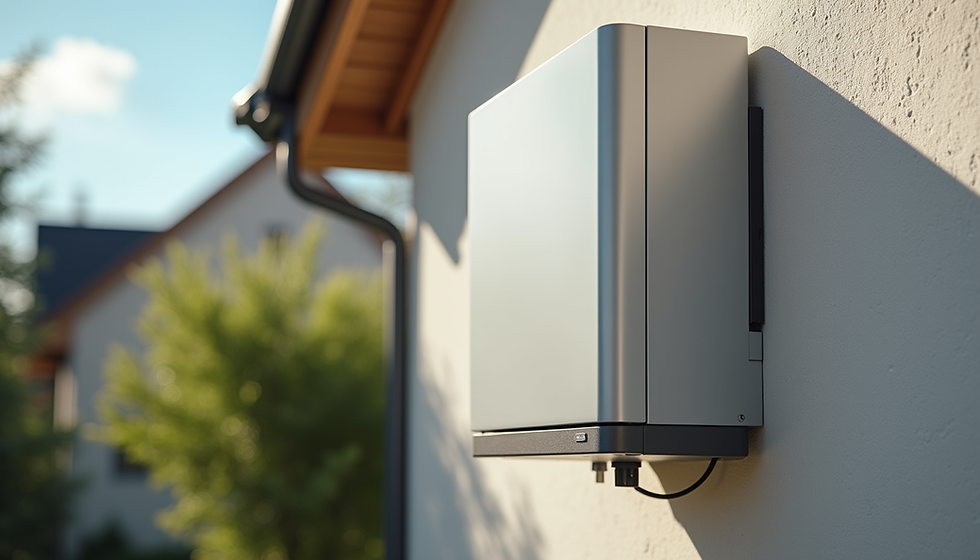
Wall and balcony installation: Installing solar energy equipment on walls or balconies can reduce the length of pipelines, which is highly advantageous for installation in high-rise residential buildings. When installing on the wall, it is advisable to consider integrating the collector with the building facade to create a unique architectural appearance. When installing on the balcony, the collector can be directly suspended from the balcony railing or combined into a balcony railing.
Installation at other locations: It is also possible to consider integrating solar energy equipment with the building's shading facilities, air conditioning positions, Windows, etc. For instance, installing photovoltaic shading facilities on the exterior of buildings, such as photovoltaic canopies and photovoltaic sunshades, not only provides shading but also converts the absorbed solar energy into electricity for the building's use. Integrate the solar collector with the grille of the air conditioner position for unified design, and handle the placement of the hot water storage tank together with the outdoor unit of the air conditioner. Combining photovoltaic panels with building Windows can achieve the dual functions of lighting and power generation.
Key points for installation
Structural safety: Before installation, a safety recheck of the building structure must be conducted to ensure that the installation of solar energy equipment does not affect the structural safety of the building. The installation brackets should be firmly connected to the main structure of the building, and reasonable wind resistance measures should be taken. The steel structure brackets should be reliably connected to the grounding system of the building.
Waterproof treatment: When installing solar energy equipment on the roof, special attention should be paid to waterproof treatment. For instance, the on-site built (poured) base on the roof structure layer should be treated for waterproofing after completion and should comply with the current national standard "Code for Acceptance of Roof Engineering Quality". When installing photovoltaic modules on a pitched roof, the waterproof connection structure around them must be strictly constructed in accordance with the design requirements and must not leak.
Electrical safety: The installation of electrical installations should comply with the relevant requirements of the current national standard "Code for Acceptance of Construction Quality of Building Electrical Engineering", and the grounding of electrical systems should conform to the current national standard "Code for Construction and Acceptance of Grounding Devices for Electrical Installation Engineering". When constructing the DC side of a photovoltaic system, the positive and negative polarities should be marked, and it is advisable to wire separately. The leads passing through buildings, roofs and exterior walls should be provided with waterproof sleeves and waterproof sealing measures.
Aesthetic coordination: The installation of solar energy equipment should be in harmony with the overall appearance of the building to avoid damaging the facade effect of the building. When choosing the color, shape and installation method of solar energy equipment, the style of the building and the surrounding environment should be fully considered.
System debugging and acceptance
Commissioning and testing: Before the acceptance of a construction project, the solar energy system should be debugged and tested to ensure reliable, stable and safe operation of the system. Debugging and testing should comply with relevant standard requirements, such as "Technical Requirements for Grid Connection of Photovoltaic Systems" and "Technical Conditions and Test Methods for Household Solar Photovoltaic Power Supply Systems", etc.
Acceptance criteria: The main control items must comply with the qualified quality standards stipulated in relevant regulations to ensure the installation quality and performance of the solar energy system.


Comments